Tag: Clear Aligners

  • Teeth Gap Filling: Complete Guide to Closing Gaps in Teeth

    Teeth Gap Filling: Complete Guide to Closing Gaps in Teeth

    Closing Teeth Gaps: A Comprehensive Overview

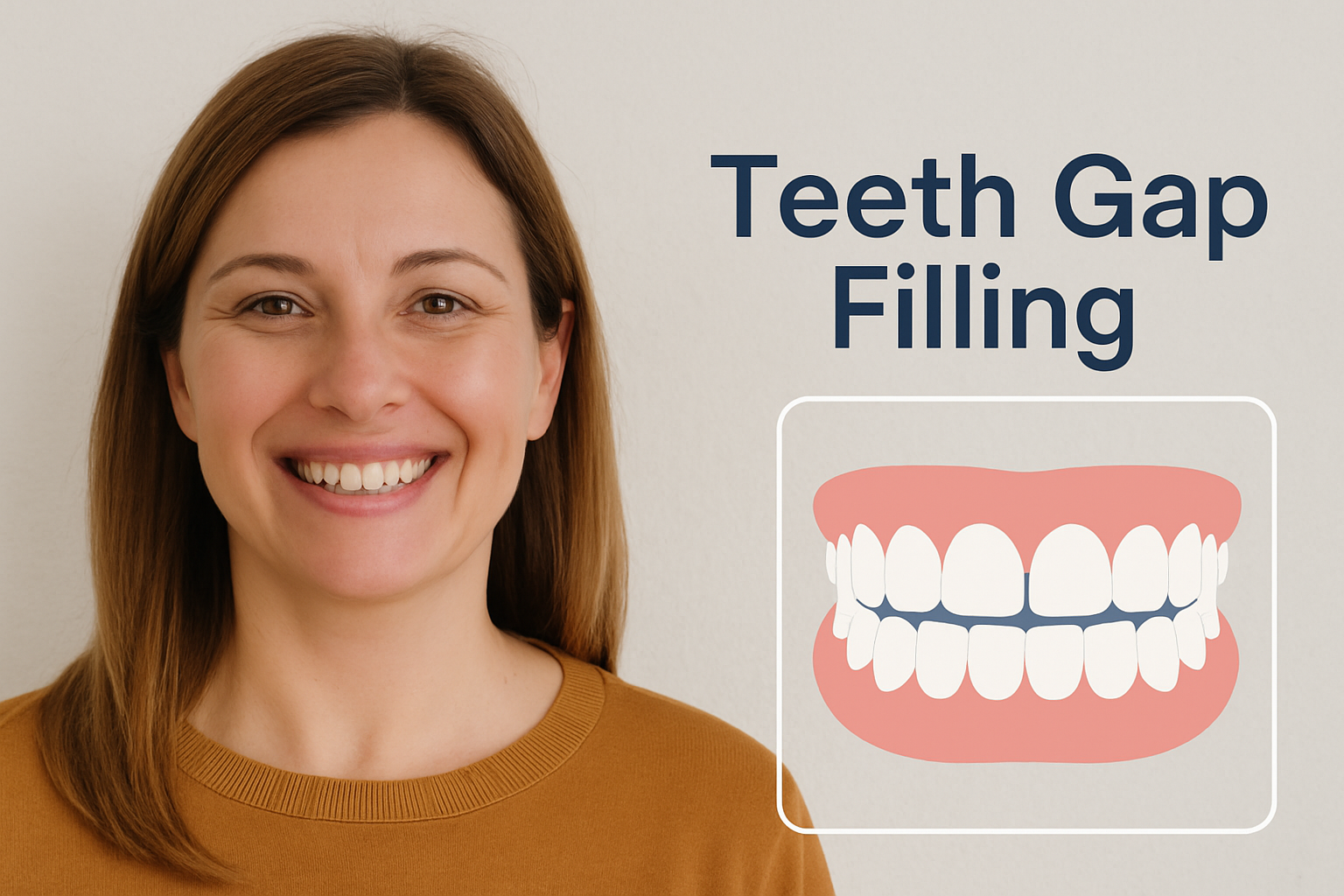
    A straight and attractive smile is beneficial for both your appearance and your oral health. Diastemas, more commonly known as gaps between teeth, can impact chewing efficiency, speech clarity, and self-esteem. Luckily, modern dental practices provide a range of solutions to address these gaps, from quick cosmetic fixes to more comprehensive orthodontic treatments.

    What Causes Gaps Between Teeth?

    Several factors can contribute to gaps between teeth. Understanding the root cause is crucial for determining the best treatment approach. Here are some common causes:

    • Genetics: A wide jaw can result in naturally spaced teeth.
    • Habits: Childhood habits like thumb-sucking or tongue thrusting can apply pressure, leading to teeth separation.
    • Frenum Size: A large labial frenum (the tissue connecting the upper lip to the gums) can prevent the natural closure of a gap between the front teeth.
    • Gum Disease: Periodontal disease and bone loss can result in teeth shifting and creating gaps.
    • Tooth Loss: When a tooth is lost, neighboring teeth may move into the empty space.
    • Malocclusion: Bite problems can lead to uneven tooth spacing.

    Why Correct Gaps in Teeth?

    Even if a tooth gap does not cause pain, many individuals choose to seek treatment for the following advantages:

    • Enhanced Appearance: A more consistent smile improves confidence.
    • Improved Function: Gaps can affect chewing ability.
    • Clearer Speech: Gaps may negatively affect speech.
    • Healthier Gums: Exposed gums might be more prone to infection and discomfort.
    • Prevention: Fixing gaps might prevent further teeth movement and other dental issues.

    Teeth Gap Treatment Options

    1. Dental Bonding

    A tooth-colored resin is applied and sculpted to the tooth to fill small gaps.

    • Best For: Minor gaps, mainly for cosmetic purposes.
    • Timeline: Usually done in a single visit, often within one hour.
    • Lifespan: Usually lasts about 5-7 years.
    • Pros: Fast, painless, minimally invasive.
    • Cons: Susceptible to chipping and discoloration; not suitable for larger diastemas.

    2. Veneers and Crowns

    Thin porcelain coverings (veneers) or complete tooth coverings (crowns) can reshape teeth, closing spaces.

    • Best For: Moderate gaps requiring tooth reshaping.
    • Timeline: Usually requires 2-3 appointments.
    • Lifespan: Can last for 10-15 years.
    • Pros: Natural appearance, durable, stain-resistant.
    • Cons: Requires some removal of tooth enamel, which is non-reversible.

    3. Invisalign (Clear Aligners)

    Customized clear aligners gradually move teeth into the desired position.

    • Best For: Mild to moderate tooth spacing issues.
    • Timeline: Typically takes 6-18 months.
    • Pros: Nearly invisible, removable, comfortable.
    • Cons: Requires consistent wear (20-22 hours daily); requires dedication.

    4. Traditional Braces

    Brackets and wires are used to align teeth over time.

    • Best For: Significant gaps or complex spacing issues.
    • Timeline: Typically takes 12-24 months.
    • Pros: Effective and predictable results for various situations.
    • Cons: More visible, requires careful cleaning, dietary changes may be necessary.

    5. Dental Bridges

    Artificial teeth are anchored to nearby teeth to fill gaps from missing teeth.

    • Best For: Gaps resulting from tooth loss.
    • Timeline: Usually takes 2-3 visits.
    • Pros: Quickly restores chewing and improves appearance.
    • Cons: Requires reshaping of adjacent teeth; bridges eventually may need replacement.

    6. Dental Implants

    Titanium posts are placed into the jawbone and covered with a crown, acting as a replacement tooth.

    • Best For: Replacing missing teeth permanently.
    • Timeline: Healing period of about 3-6 months.
    • Pros: Lasting solution, preserves jaw bone, looks and feels natural.
    • Cons: Requires surgery and a long healing time.

    Gap Treatment Comparison

    Treatment Durability (Approximate) Best Suited For
    Bonding 5–7 years Small cosmetic gaps
    Veneers/Crowns 10–15 years Cosmetic reshaping
    Invisalign Variable Mild to moderate spacing
    Braces Variable Complex spacing
    Bridges ~10 years Missing teeth gaps
    Implants 20+ years Permanent tooth loss

    Maintaining Your Gap-Free Smile

    Follow these steps to keep your smile healthy and prevent gaps from reappearing:

    • Brush and floss regularly to keep gums healthy.
    • Wear retainers as directed after orthodontic treatment.
    • Avoid habits like biting nails or chewing on hard objects.
    • Schedule regular dental appointments for early detection.

    Frequently Asked Questions

    Will a small gap disappear on its own?
    While some children may experience spontaneous gap closure, adults usually need professional treatment.
    What is the quickest method for resolving a tooth gap?
    Dental bonding offers fast results in a single visit. Orthodontic options are efficient for fixing more complex space concerns.
  • Teeth Braces Guide 2025: Types, Care, Treatment Process and FAQs

    Teeth Braces Guide 2025: Types, Care, Treatment Process and FAQs

    Teeth Straightening with Braces: A 2025 Guide

    Braces are a proven method for fixing teeth that are crooked, crowded, or misaligned. Orthodontic treatment is no longer limited to children; adults are increasingly opting for braces to achieve a better smile and improve their oral health. Besides cosmetic benefits, braces can also help prevent gum problems, jaw pain, and uneven wear on teeth. Advances in orthodontic technology have resulted in treatments that are more comfortable, effective, and less obvious.

    Why Straightening Your Teeth Matters

    • Corrects Bite Issues: Fixes overbites, underbites, and crossbites.
    • Enhances Speech: Can improve speech clarity in some cases.
    • Reduces Risk of Gum Disease: Makes cleaning easier, lowering the chance of gum disease.
    • Relieves Jaw Pain: Prevents discomfort resulting from misaligned teeth.
    • Increases Confidence: Improves self-esteem and facial appearance.

    Different Types of Braces

    Several brace options exist, each offering unique advantages:

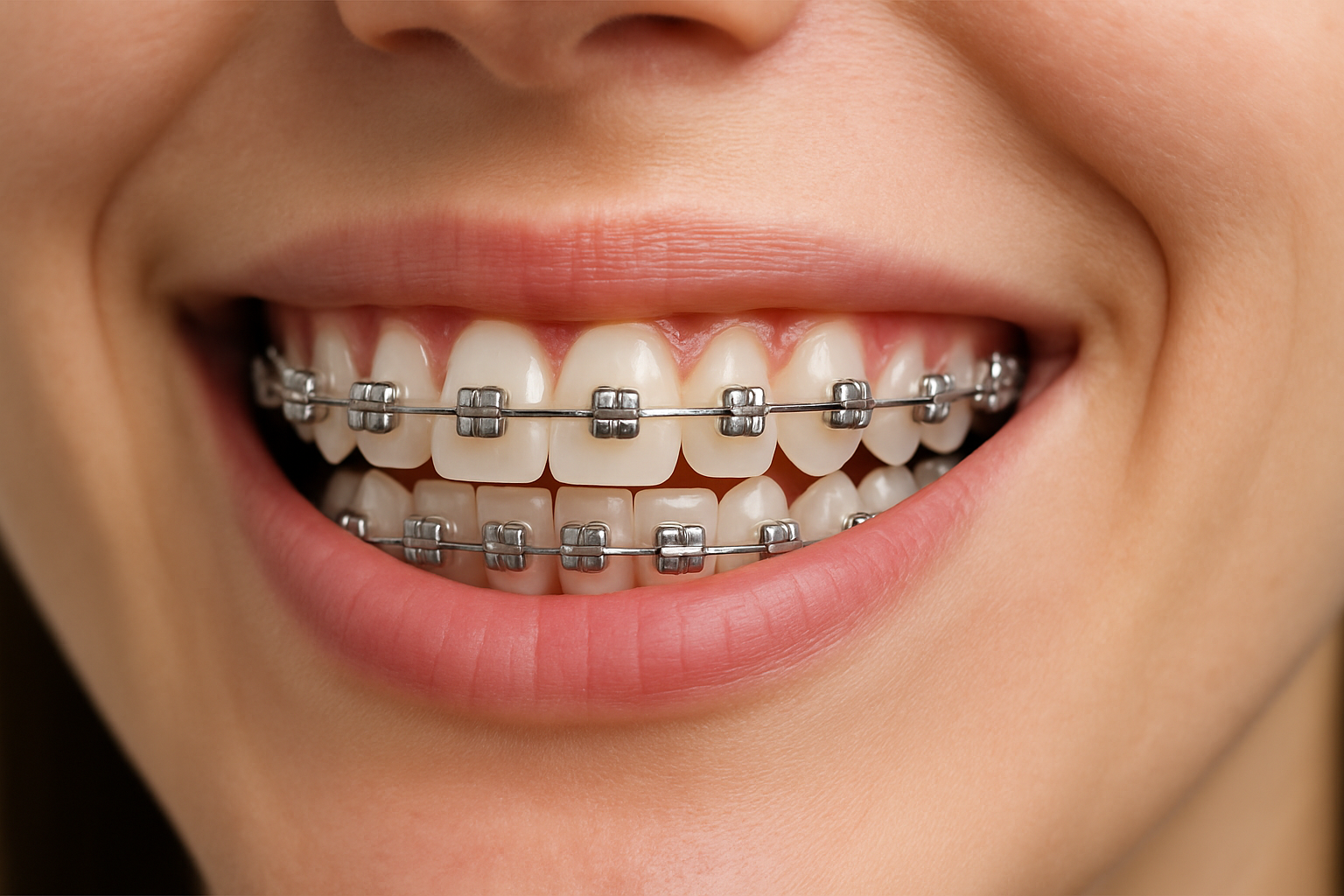
    • Traditional Metal Braces: Made of stainless steel, these use brackets and wires to gradually shift teeth. They’re a reliable, standard choice, especially for complex cases.
    • Ceramic Braces: Crafted from tooth-colored material, these are less noticeable than metal. They provide similar results but need careful cleaning to prevent stains.
    • Lingual Braces: Attached to the inner side of teeth, these are completely invisible. While appealing aesthetically, there’s usually an adjustment period.
    • Clear Aligners: These are removable, transparent trays that subtly move your teeth. They’re almost invisible, comfortable, and easy to clean, but require consistent wear.
    • Self-Ligating Braces: Instead of elastic bands, these use clips to hold wires, reducing friction and possibly reducing appointment frequency.

    Modern Braces Technology

    Today’s orthodontics features several advancements:

    • Digital Scanning: Provides detailed 3D models for improved accuracy compared to traditional impressions.
    • Custom Appliances: Brackets and wires are uniquely designed for each tooth to maximize effectiveness.
    • Accelerated Treatment: Certain techniques may accelerate tooth movement in specific situations.
    • Remote Monitoring: Track progress with apps and tools, potentially minimizing in-office visits.

    The Braces Treatment Process: What to Expect

    Here’s a breakdown of the typical treatment stages:

    1. Initial Consultation: Includes an exam, scans, and treatment planning.
    2. Preparation: Any needed cleaning, fillings, or tooth removals.
    3. Braces Placement: Attaching brackets or fitting aligners.
    4. Adjustment Phase: Regular checkups to adjust wires or change aligners.
    5. Progress Checks: Ensuring teeth are moving as planned.
    6. Completion: Braces are removed, and final alignment is confirmed.
    7. Retention: Using retainers to keep teeth in their new positions.

    Braces Timeline

    Here’s a general idea of what to expect during treatment:

    • First Week: Initial discomfort as your mouth gets used to the braces.
    • First Month: Noticeable changes as your teeth begin to shift.
    • Six Months: Visible improvements in alignment and bite.
    • Post-Treatment: Retainers are vital for maintaining the new teeth positions.

    Braces Care and Cleaning

    Proper oral hygiene is critical:

    • Brush after every meal using a soft toothbrush and fluoride toothpaste.
    • Clean between teeth and under wires with floss threaders or water flossers.
    • Avoid hard or sticky foods that can damage braces.
    • Use orthodontic wax to relieve irritation from sharp edges.
    • Rinse with fluoride mouthwash to strengthen teeth.
    • Attend all scheduled appointments to ensure proper progress.

    Potential Risks and Downsides of Braces

    While rare, it is good to be aware of potential issues:

    • Mild soreness or discomfort after adjustments.
    • Gum irritation if oral hygiene is not maintained.
    • Slight risk of root shortening in rare cases.
    • Teeth shifting if retainers are not worn properly.

    Braces: Myths vs. Facts

    • Myth: Braces are only for teenagers. Fact: Adults can also get great results from braces or aligners.
    • Myth: Braces treatment always takes several years. Fact: Treatment time varies; less complex cases may be shorter.
    • Myth: Aligners can always be used instead of traditional braces. Fact: Certain complicated cases are more suited to traditional braces.

    Braces FAQ

    Q: How long does a typical braces treatment take?

    A: Most treatments last between 12 and 24 months, but this varies with individual needs.

    Q: Are clear aligners better than braces?

    A: They’re less visible and removable, but may not be appropriate for all orthodontic problems.