Why AI Smile Simulation Matters
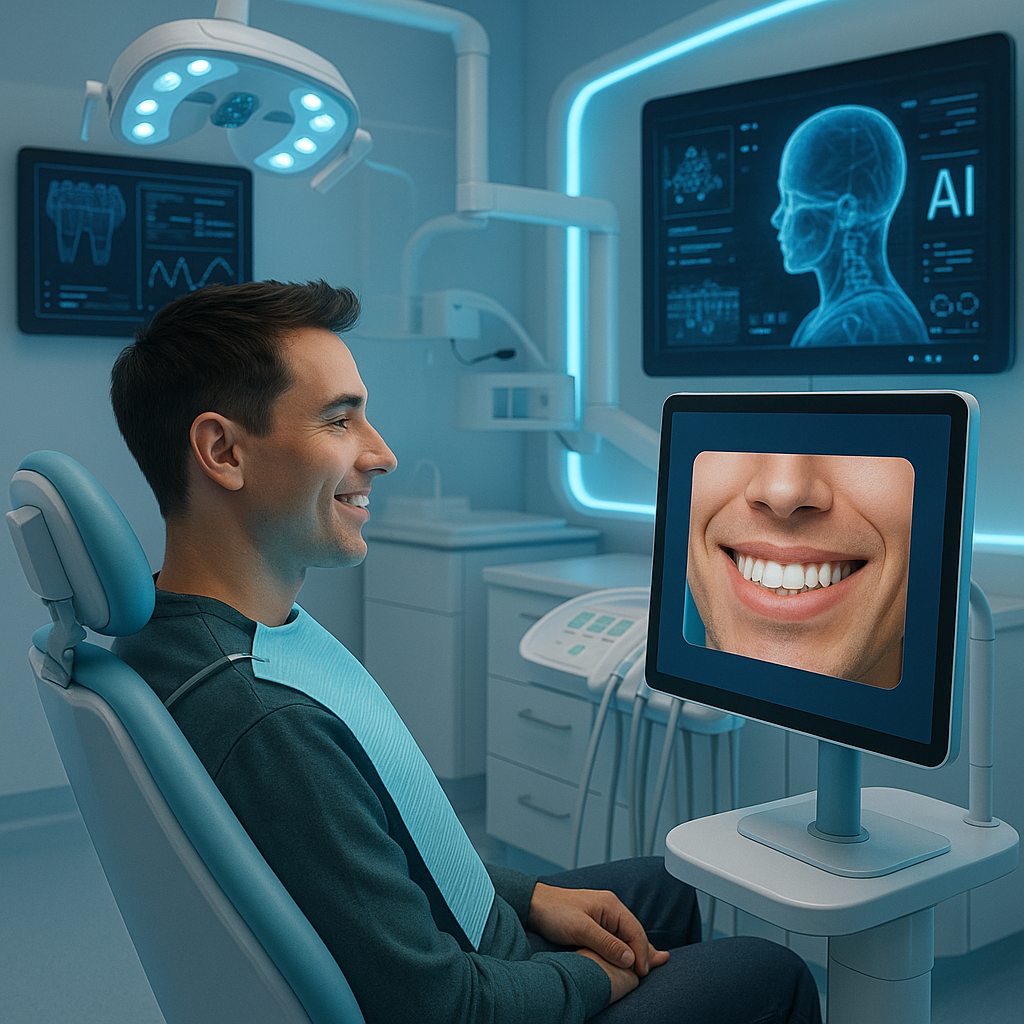
In today’s dental landscape, patients often feel uncertain about the results of their treatments. Traditional methods of explaining outcomes can lead to confusion and anxiety. This is where AI Smile Simulation comes into play. By leveraging advanced dental AI technology, dentists can provide patients with a realistic preview of their future smiles. This not only enhances patient satisfaction but also streamlines the treatment planning process.
The problem is clear: many patients are hesitant about undergoing dental procedures due to fear of the unknown. By utilizing AI-driven treatment planning, dental professionals can alleviate these concerns, allowing for a more confident decision-making process. Imagine walking into a dentist’s office and leaving with a clear visual of your future smile; that’s the power of AI Smile Simulation.
Common Mistakes with AI Smile Simulation
While AI Smile Simulation offers remarkable benefits, there are common pitfalls that dental professionals may encounter. One significant mistake is failing to communicate effectively with patients about the limitations of simulations. Many patients may misinterpret the visualizations as guarantees rather than projections based on current dental conditions.
Additionally, not adequately integrating Digital Smile Design (DSD) into the workflow can hinder the full potential of AI Smile Simulation. DSD allows for precise measurements and enhancements, ensuring that the simulation closely aligns with what can realistically be achieved.
Implementation Steps for AI Smile Simulation
Implementing AI Smile Simulation in your practice requires careful planning. Here’s a step-by-step framework:
- Choose the Right Software: Selecting a robust AI-powered software that specializes in smile simulations is crucial. Look for solutions that integrate seamlessly with existing dental technologies.
- Train Your Team: Ensure that your staff is well-versed in using the software. This training should include how to explain the simulation process to patients.
- Collect Patient Data: Gather comprehensive data about your patients’ dental history and current oral health. This data will inform the AI’s predictions.
- Present the Simulation: Once the simulation is generated, present it to the patient, highlighting both the potential outcomes and any limitations.
- Follow Up: After treatment, follow up with patients to measure outcomes and gather feedback on the simulation’s accuracy.
Measuring Outcomes for AI Smile Simulation
Understanding the effectiveness of AI Smile Simulation involves tracking key performance indicators. Metrics such as patient satisfaction, treatment acceptance rates, and post-treatment feedback are essential. These measures will not only demonstrate the value of the AI-driven approach but also highlight areas for improvement.
Incorporating a feedback loop into your practice will enhance the accuracy of future simulations, leading to better patient outcomes. By continuously refining the AI algorithms based on real-world data, you can ensure that your practice remains at the forefront of dental innovation. This commitment will position you as a leader in the field, attracting more patients who seek a confident smile.
To implement a successful AI Smile Simulation workflow, consider starting with a pilot program in your practice. This will allow you to gauge its effectiveness and make adjustments as necessary.
Ready to enhance your practice with AI Smile Simulation? Begin by building a repeatable workflow that integrates this technology into your treatment planning process.
Leave a Reply